
- SAFElife™ T-Dip 1-Panel Urine Test Card – EtG 300 ng/mL$20.00 As low as $16.00What a 1-panel dip card detects 1-panel urine dip card for rapid drug screening. Detects EtG at 300 ng/mL. Used in forensic testing, research and investigative…
- SAFElife™ T-Dip 1-Panel Urine Test Card – EtG 500 ng/mL$27.50 As low as $22.00What a 1-panel dip card detects 1-panel urine dip card for rapid drug screening. Detects EtG at 500 ng/mL. Used in forensic testing, research and investigative…
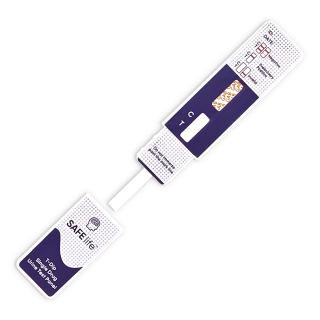
EtG test cards screen urine for ethyl glucuronide, a metabolite that stays detectable after alcohol has left the body. Two cutoffs, 300 ng/mL and 500 ng/mL. For Forensic Use Only. Sold by the box of 25 cards.
Buying guideWhat EtG detects, and which cutoff to choose
What an EtG test detects
An EtG test looks for ethyl glucuronide (EtG), a direct metabolite the body produces when it processes alcohol. Alcohol itself clears quickly. Its metabolite does not, which is why an EtG result reflects alcohol consumption that a breath or blood alcohol reading has already missed.
That single property is what the test is for, and it is the question buyers ask most often before ordering: not is this person drinking now, but did drinking happen.
Detection depends on the amounts of alcohol consumed, individual metabolism, and which cutoff the card is set to.
Rapid EtG urine testing at 300 and 500 ng/mL
Both cards are single-analyte dip cards read from a urine specimen. The cutoff is the difference between them, and it is the choice a buyer makes deliberately:
- 300 ng/mL — the lower threshold. Flags smaller alcohol intakes or older exposure, and returns more positives.
- 500 ng/mL — the higher threshold. Fewer positives, and less sensitivity to false positives from incidental alcohol exposure in mouthwash, hand sanitizer or cooking, in small amounts that were never actually consumed.
Neither is more accurate than the other. They answer slightly different questions, and programs usually pick one and stay with it so results stay comparable over time.
How an EtG alcohol test differs from breath and blood testing
A breath test or blood reading answers one question: is there alcohol in this person now. An EtG alcohol test answers a different one: did drinking happen. Ethyl glucuronide is produced when the body processes alcohol and stays detectable after the alcohol itself is gone, so a result can be positive long after a breathalyzer reads zero.
That difference is the whole reason programs buy EtG. A test run the morning after tells you nothing on a breathalyzer and something on an EtG card. Which is why the cutoff choice above matters more here than it does on most single-analyte tests — it sets how much exposure the program is willing to flag.
If you are looking for EtG test strips, these are the same assay in a dip-card format. The card is read the same way and handled the same way; only the housing differs.
Which EtG urine test cutoff to order
Choosing between the two cards is really a decision about how far back you want the EtG urine test to reach. Because ethyl glucuronide keeps registering after the alcohol itself is gone, the cutoff sets how much of that trailing signal still produces positive results — a lower threshold stays positive longer after the last drink, a higher one returns to negative sooner.
That makes the cutoff a detection-window control. Order the 300 ng/mL card when the program wants the widest lookback and can accept that lighter or older exposure will register; order the 500 ng/mL card when it wants a tighter, more recent window.
How long any one specimen stays positive varies with the cutoff, the amount consumed and individual metabolism, so no single detection window holds across people. Pick the cutoff that matches the question the program is asking, and keep it consistent so results stay comparable over time.
For Forensic Use Only — what that permits
Both EtG cards are labeled For Forensic Use Only. That is a regulatory status, not a quality statement, and it defines who can lawfully use the result:
- It is not cleared for clinical diagnosis.
- It is not cleared for employment or insurance testing.
Forensic-use devices are bought by monitoring programs, correctional health, treatment programs and research. If a program needs a device cleared for clinical or workplace use, the tier is the first thing to check — before panel, price or format.
Where it fits alongside drug screening
The same buyer usually orders both. A program running urine drug screens on a schedule adds alcohol to the same collection, on the same specimen, in the same visit. Our drug screens run from single-analyte cards to 18-panel cups, and EtG also appears as an analyte inside several multi-panel cups for programs that would rather run one device than two.
Box quantities and volume pricing
These EtG cards ship by the box of 25, with no minimum. Order a single box or scale up as needed; each product shows its current per-box price and volume price breaks.
Ordering
Sold by the box of 25 cards. Manufactured by Wondfo USA in ISO-certified facilities.
Volume pricing is quoted directly.
Pharmacies and compounding pharmaciesHospital and health-system pharmacyLong-term care and skilled nursingHome health and hospiceUrgent care and physician officesCorrectional health